.svg)
Lawns in Fort Myers face unique challenges during the hot, humid months, and one of the most damaging pests is the chinch bug. These tiny insects can destroy large patches of grass quickly, leaving homeowners with thinning lawns, yellowing blades, and brown spots.
Understanding chinch bugs in Fort Myers, how they behave, how to spot damage, and when to act is essential for protecting your lawn before small problems become costly repairs.
What Are Chinch Bugs and How They Damage Lawns in Fort Myers?
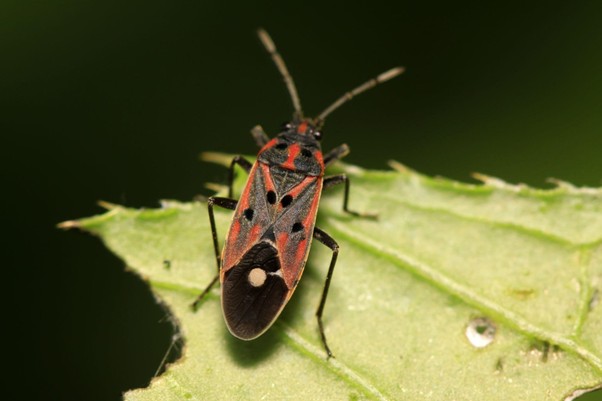
Chinch bugs are small, sap-sucking insects that thrive in warm, sunny conditions. In Fort Myers, they’re especially active in lawns with St. Augustine grass (the most popular turfgrass in the city), feeding on the sap and leaving grass blades yellow, brown, and sometimes completely dead.
How Chinch Bugs Damage Your St. Augustine Grass
Chinch bugs damage the St. Augustine by draining the plant fluids and injecting toxins. This disrupts water and nutrient flow across the grass bed. This causes yellowing, brown patches, and thinning turf, even when the soil is adequately watered.
- Climate Makes Lawns Vulnerable: Hot, humid conditions in Southwest Florida stress St. Augustine grass, making it easier for chinch bugs to take hold.
- Fast Reproduction: Chinch bugs can complete a generation in just a few weeks, turning small infestations into widespread damage quickly.
- Preferred Hot Spots: Sunny patches, sidewalks, and driveways warm faster, attracting chinch bugs and letting infestations spread before you notice.
How to Identify Chinch Bug Damage in Fort Myers Lawns
Spotting lawn chinch bugs in Fort Myers early can save your grass from severe damage. Look for these signs:
- Yellowing or Wilting Patches: Grass may appear dry or discolored even when soil moisture is adequate. These patches often start small but can expand rapidly.
- Soap Flush Test: Mix a few tablespoons of liquid dish soap in a gallon of water and pour over suspect areas. Chinch bugs will rise to the surface, making it easier to confirm their presence.
- Chinch Bugs vs. Drought Damage: Unlike drought-stressed grass, chinch bug damage often appears in irregular patches along sunny, high-traffic areas. Soil may feel moist, but the grass still shows stress.
- Check Hot Spots: Driveways, sidewalks, and sun-exposed spots heat up faster, attracting chinch bugs first. Early detection in these areas is key to preventing widespread damage.
Why Spring Is the Critical Window for Chinch Bug Control in Southwest Florida

Spring is the key time to act against chinch bugs in Fort Myers because early detection and treatment prevent small problems from becoming widespread lawn damage.
- Rising Temperatures Trigger Activity: As temperatures climb in early spring, chinch bugs become more active. Warm, sunny conditions in Fort Myers accelerate feeding and reproduction, putting St. Augustine grass at risk.
- Peak Infestation Timeline: Chinch bug populations often spike from spring into early summer. A few weeks of unchecked growth can turn minor patches into major problem areas.
- Risks of Delaying Treatment: Waiting until you see obvious yellowing or dead spots means the infestation is already well-established. Lawn chinch bugs in Fort Myers can then cause damage that is harder and more expensive to fix.
Professional Chinch Bug Treatment vs DIY Solutions in Fort Myers
Professional treatment often delivers more reliable results than DIY approaches when it comes to dealing with chinch bugs in Florida.
- Why DIY Treatments Often Fail: Home treatments can be ineffective for severe infestations. Chinch bugs reproduce quickly, and missing early pockets can allow the problem to return.
- Types of Professional Treatments: Experts like Perfection Lawn & Pest Control use targeted treatments and pest management strategies designed for St. Augustine grass and Fort Myers’ climate.
- Cost vs. Effectiveness: While DIY solutions may seem cheaper upfront, professional treatments save money in the long run by preventing repeated infestations and widespread lawn damage.
- When to Call a Lawn Care Expert: If you notice persistent yellowing, wilting patches, or signs of chinch bug activity despite DIY efforts, you must contact a professional for chinch bug treatment in Fort Myers.
Chinch Bugs vs Cold Damage in Southwest Florida Lawns
Confusing chinch bug damage in Fort Myers with cold stress can delay proper treatment. Here’s how to tell the difference:
Common Lawn Care Mistakes That Attract Chinch Bugs in Fort Myers
Preventing infestations starts with good lawn care practices. Avoid these common mistakes:
- Overwatering and Shallow Roots: Excess moisture favors chinch bug activity and weakens root systems.
- Cutting Grass Too Short in High Heat: Short blades stress St. Augustine grass, making it easier for pests to feed.
- Excess Nitrogen Fertilization: Over-fertilized lawns attract chinch bugs and can worsen infestations.
- Ignoring Early Warning Signs: Yellowing or wilting patches can quickly become widespread if not addressed promptly.
Protect Your Fort Myers Lawn from Chinch Bugs with Perfection Lawn & Pest Control
Tackling chinch bugs can be stressful. These pesty creatures thrive as temperatures rise, feeding on grass sap and weakening your lawn from the roots up. To ensure your lawn remains chinch-free, Perfection Lawn & Pest Control offers targeted insect control as part of its lawn care programs.
Why Early Preventive Action Saves Lawn Replacement Costs
Chinch bugs multiply quickly! They lay eggs that hatch within weeks, which means small infestations can escalate fast and destroy large sections of turf.
Acting early by opting for preventive treatments from Perfection Lawn & Pest Control helps stop infestations before they require costly re-sodding or lawn replacement. The proactive fertilization and insect control programs strengthen turf, making it more resistant to pest damage over time.
Warning Signs Your Lawn Needs Immediate Pest Control
Chinch bug damage is often mistaken for drought stress, but it spreads much faster and will not improve with watering alone. If you notice any of the following, your lawn may already be under attack:
- Irregular yellow or brown patches that continue to expand
- Grass that does not recover even after watering
- Thinning turf, especially in sunny areas
- Visible pest activity in the thatch layer
These signs are your cue to act quickly. Left untreated, chinch bugs can rapidly destroy large sections of turf, leading to costly repairs or even full lawn replacement.
Through expert lawn care programs, Perfection Lawn & Pest Control helps you:
- Treat active chinch bug infestations quickly and effectively
- Prevent future outbreaks with proactive, seasonal care
- Strengthen your lawn with targeted fertilization and pest control
- Maintain healthy, resilient turf suited to Florida’s climate
Get Ahead of Chinch Bugs Before Damage Gets Costly!
FAQs
What do chinch bugs look like in lawns?
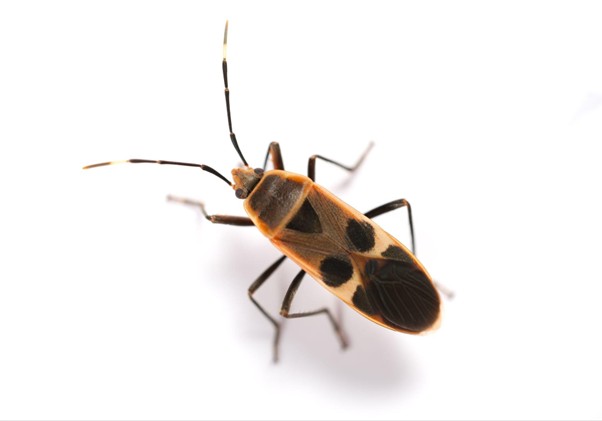
Chinch bugs are tiny, about 1/5 inch long, with black bodies and white wings. They are often hard to see without disturbing the grass or using a soap flush test.
How quickly can chinch bugs damage grass?
In Fort Myers’ warm, humid climate, a small infestation can cause noticeable yellowing or brown patches in just a few weeks.
What grass types are most affected in Fort Myers?
St. Augustine grass is the most susceptible, though other warm-season grasses can also suffer damage in sunny, high-traffic areas.
Can chinch bugs kill an entire lawn?
Yes, if left untreated during peak spring and summer months, infestations can spread rapidly and destroy large sections of turf.
What is the best treatment for chinch bugs?
Professional chinch bug treatment Fort Myers programs use targeted insecticides and monitoring to effectively control infestations while minimizing harm to your lawn.
Are chinch bug treatments safe for pets and children?
When applied by trained professionals, treatments are designed to be safe for families and pets while effectively controlling pests.
How often should I treat my lawn for chinch bugs?
Treatment frequency depends on infestation severity. Early spring and mid-summer monitoring are critical; repeat applications may be needed in persistent cases.
Can I prevent chinch bugs naturally?
Healthy, thick turf can naturally resist infestations. While some homeowners use beneficial insects or nematodes, professional preventive care ensures more reliable results.
When is chinch bug season in Fort Myers?
Infestations are most active from spring through summer when temperatures rise and grass growth is rapid.
Should I replace grass after severe damage?
In many cases, timely treatment combined with professional lawn care can revive damaged areas. Grass replacement is only needed if damage is extreme and recovery isn’t possible.